Understanding · Choosing · Acting
Pelvic pain: finding the right professional
A pain in the pelvis hinders transfer, walking or certain positions?

On this page
What you can observe
The pelvis contains muscle, joint and organ structures. Urinary, digestive or gynaecological symptoms should be explored before concluding musculoskeletal pain.
The first landmarks in everyday life
Note the links with movements, rules, meals and urinary or digestive functions. Coordinated care can involve a doctor, midwife and physiotherapist depending on the cause.
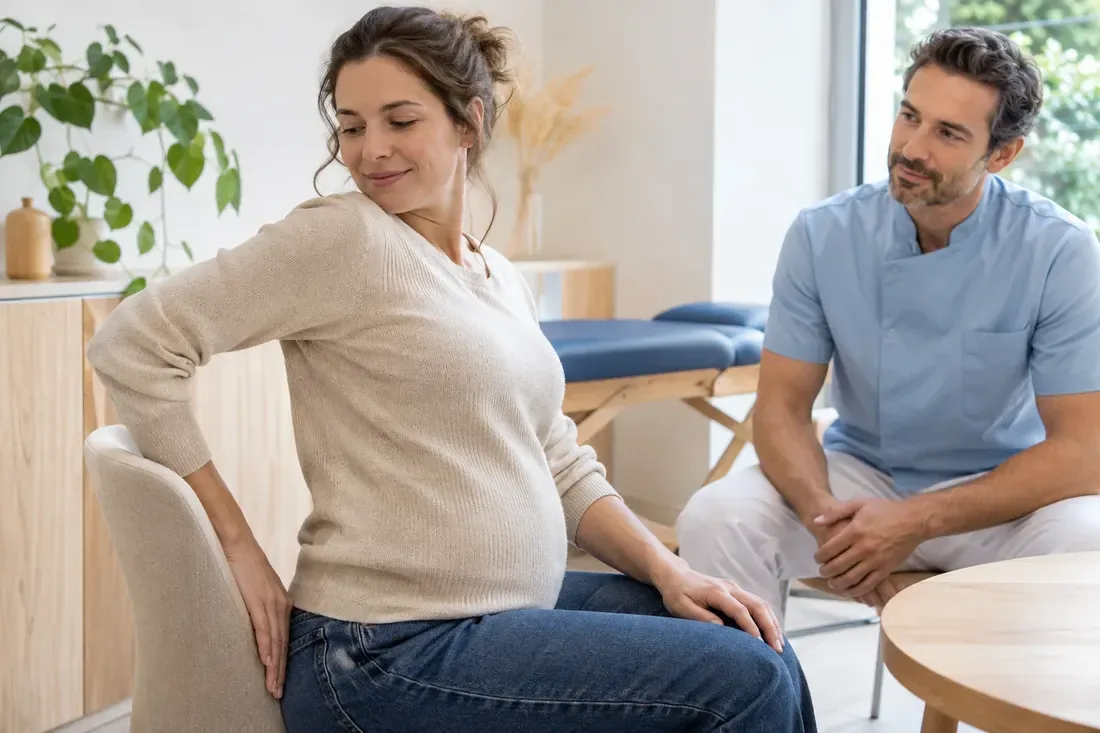
Describe symptoms without reducing them to the pelvis
Locate the pain and its evolution, its possible link to the rules, relationships, urination or transit. Report a possible pregnancy and the results already made. Pelvic pain may come from several specialties; it is not deduced from an assumed asymmetry of the pelvis.
Maintain privacy and consent
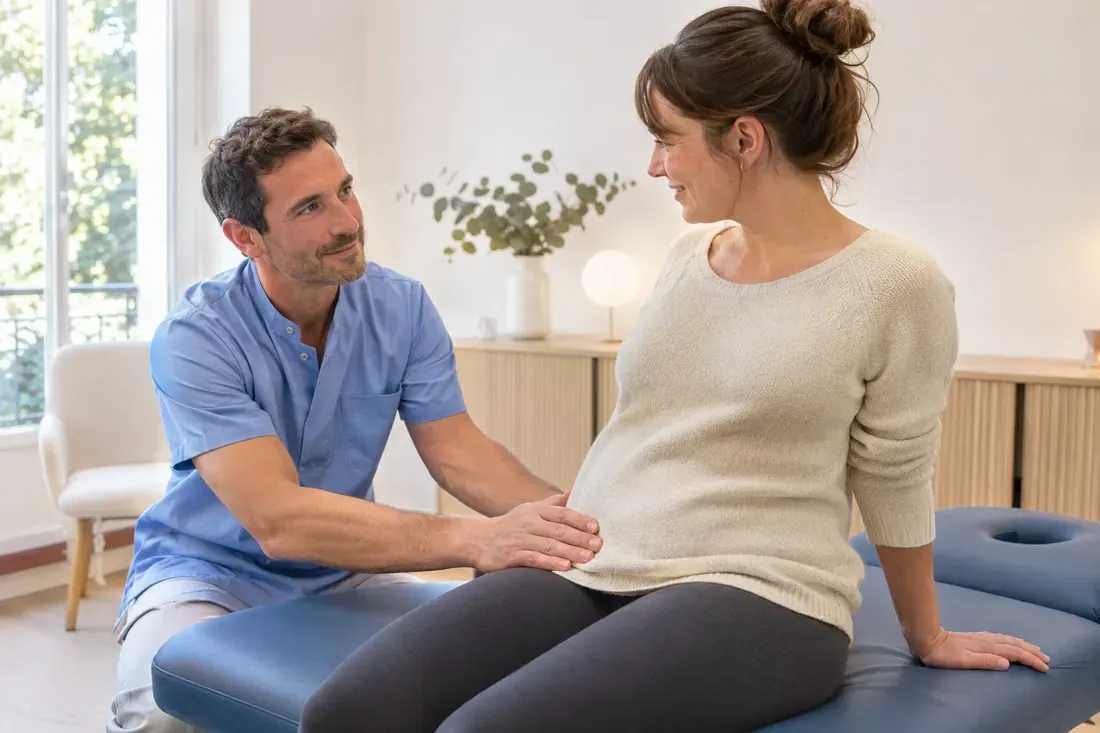
The interview takes place in accordance with what you want to share. An external examination or manual care is considered only if it is appropriate, explained and accepted. The osteopathy does not replace gynaecological, urological or digestive diagnosis, nor pelvic-perineal rehabilitation when indicated.
Organize monitoring
A simple notebook can record dates, circumstances and impact on activities. Avoid multiplying autotechnics or diets on the basis of a single explanation. Sudden pain, unusual bleeding, fever or possible pregnancy require appropriate, sometimes urgent, orientation.
Sources and further reading
Documentary update: November 5, 2026. General information: The choice of care depends on your situation.
To deepen
Anatomy and scientific data
Discover the mechanisms, uncertainties and scope of recommendations for this topic.
Learn more →Understanding the method of reading evidence and the limits of advice →