Back and pelvis
Common back pain, back pain, stiffness or mechanical discomfort influenced by positions and activities.
Understand · Evaluate · Accompany
An individualised manual approach, mainly oriented towards functional and musculoskeletal disorders, complementing medical care when necessary.
Still developed his approach in the nineteenth century, before the diagnostic and treatment tools of modern medicine. Its emphasis on anatomy and manual techniques is part of that history; it does not establish the validity of every explanation proposed at the time.
Osteopathy has developed under different professional frameworks. In the United States, osteopathic education became part of a full medical training programme. The United Kingdom developed a dedicated regulatory system for osteopaths. Professional titles, scopes of practice and permitted procedures therefore cannot be assumed to be equivalent across countries.
Cranial, visceral or joint approaches refer to traditions and families of practices. Their seniority or place in education does not demonstrate an effectiveness for all indications. The contemporary approach requires assessing the results for each health problem, recognizing uncertainties and coordinating care.
In France, the texts regulate the use of the title, training and working conditions. They do not constitute recognition of the effectiveness of each technique. The WHO training benchmarks are also a training and safety document, not a validation of all historical theories.
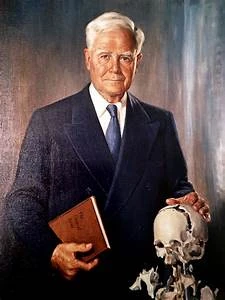
Osteopathy developed in different medical and regulatory settings. This history helps explain the diversity of practices today; it is not evidence that a technique is effective.
Andrew Taylor Still developed his approach to osteopathy in the United States, emphasising anatomy and the relationship between structure and function within the context of nineteenth-century medicine.
Still founded the American School of Osteopathy in Kirksville, Missouri. Teaching gradually gave this approach a more structured form.
The British School of Osteopathy opened in London under the leadership of John Martin Littlejohn. In the United Kingdom, the Osteopaths Act 1993 establishes a statutory framework for the profession.
In the United States, Doctors of Osteopathic Medicine (DOs) are physicians. The French professional title of osteopath belongs to a different framework: a French D.O. qualification does not confer the status of a US physician.
Article 75 of the Act of 4 March 2002 regulates the professional use of the title. The Decree of 25 March 2007 specifies authorized acts and their conditions, with a duty to provide guidance when symptoms require diagnosis or medical treatment.
The reform provides for a five-year course and 4,860 hours for full training, including supervised clinical training. Exemptions exist according to previous qualifications.
Joint, tissue, visceral and cranial approaches have diversified. Their place should be assessed according to the particulars of each indication. Historical models are to be distinguished from demonstrated mechanisms; patient information, consent and care coordination guide consultation.
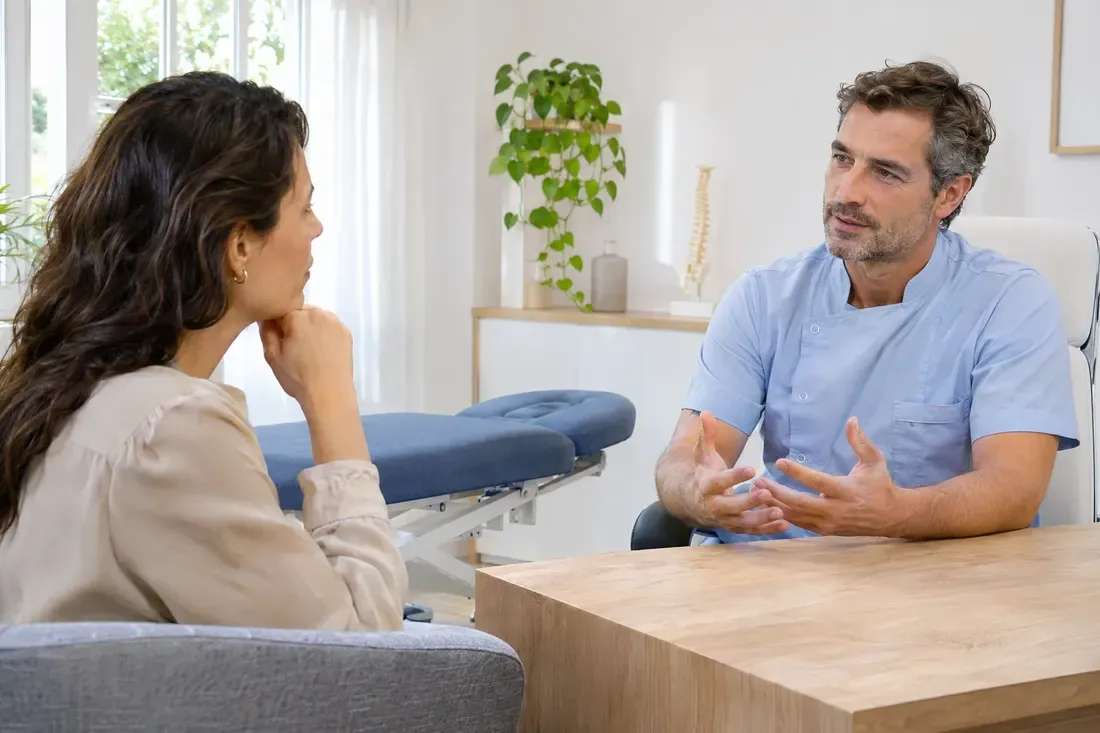
The World Health Organization describes osteopathy as a manual contact approach for functional diagnosis and treatment. In practice, the consultation combines an interview, a search for contraindications, an examination of mobility and useful functions, then techniques adapted to the motive and the person.
The reasoning is not limited to the painful area. Low back pain can be influenced by workload, sleep, physical activity, fear of movement, anterior injury or a change in training. Taking these factors into account avoids a reducing discourse based on a "displaced" vertebra or a "unaligned" basin.
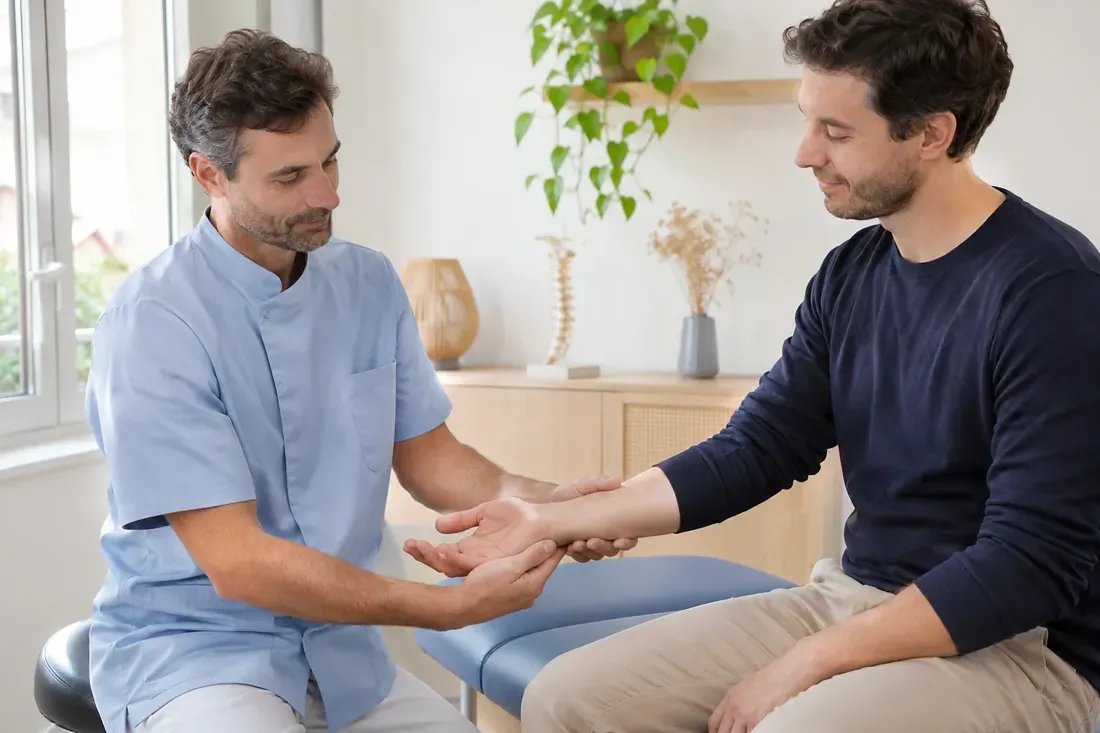
An important point: osteopath does not usually put back bones in place. The sometimes perceived joint noises do not mean that a joint was luxuried. The effects sought include mobility, pain modulation, relaxation of certain tensions and confidence in movement.
Common back pain, back pain, stiffness or mechanical discomfort influenced by positions and activities.
Cervicalgia, stiffness and some headache associated with the neck, after excluding signs requiring medical advice.
Shoulder, elbow, wrist, hip, knee, ankle or foot in a non-urgent musculoskeletal context.
A problem linked to a gesture, charge or recovery, in addition to training, sports medicine and rehabilitation.
Lumbar or pelvic pain, with appropriate techniques and without substitute for obstetrical follow-up.
Hardness or limitation felt in everyday gestures, in adults and seniors.
See detailed reasons for consultation →
There is no single technique. The choice depends on age, motive, history, patient preference and examination. A session may involve slow joint mobilizations, soft tissue work, functional or myofascial techniques and, where appropriate and accepted, faster joint manipulation. The so-called cranial approaches are part of the training and practice of Antoine Chollet, teacher and head of cranial osteopathybut they are never presented as universal treatment.
The quality of a consultation is not measured by the number of techniques or the presence of cracking. It is based on the relevance of the indication, safety, given information and re-evaluation of the effect.
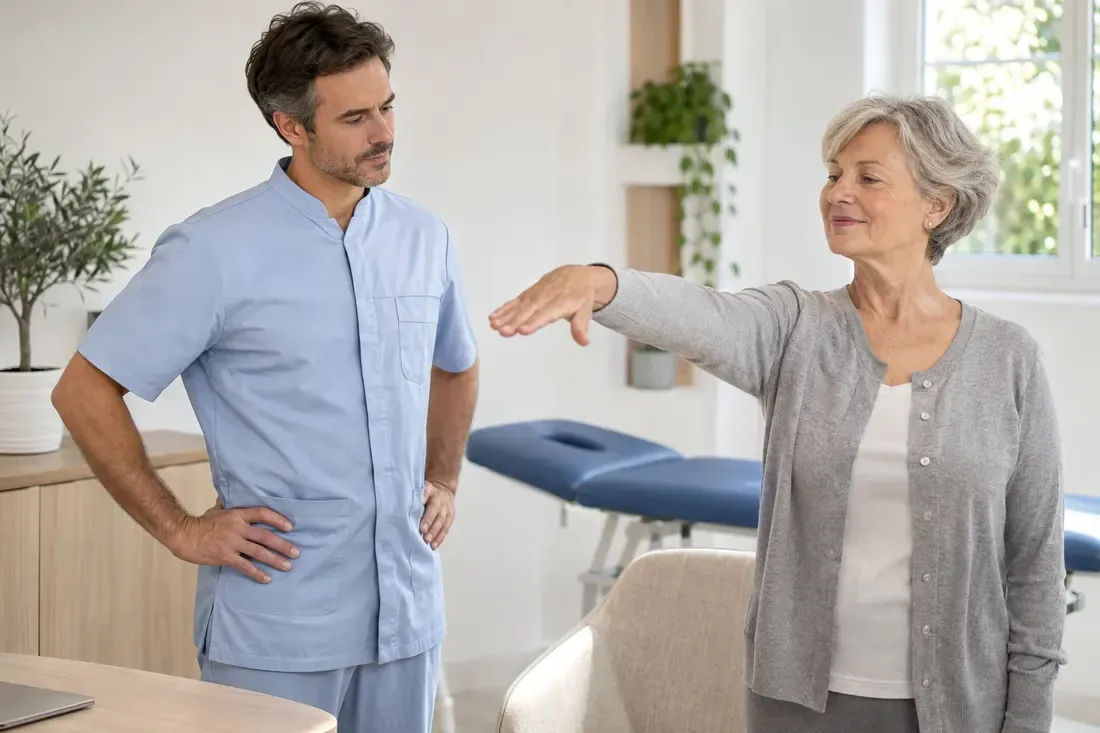
The level of evidence varies according to the disorders, comparators and methods studied. Recent reviews report a potential benefit, especially in the short term, for certain musculoskeletal pains such as back pain or neck. Other analyses comparing osteopathic treatment with simulated intervention do not observe net superiority. This divergence requires that the effects be kept transparent: they can be modest, varying and influenced by the care environment.
International recommendations for back pain place manual techniques in a programme including activity and exercise, and not as an isolated passive solution. The High Health Authority considers exercise to be the main treatment of common back pain and reserves manual techniques to a multimodal strategy.
The osteopathy should therefore not promise to cure a disease, strengthen immunity, correct all digestive disorders or prevent injuries on its own. Its most coherent field is the reasoned accompaniment of certain functional and musculoskeletal disorders.
Brutal or unusual pain, severe trauma, fever, malaise, chest pain, shortness of breath, loss of strength, speech disorder, paralysis, stool anesthesia, recent urinary or fecal disorders, unexplained weight loss or rapid worsening require medical assessment. In case of doubt, guidance takes precedence over manual treatment.
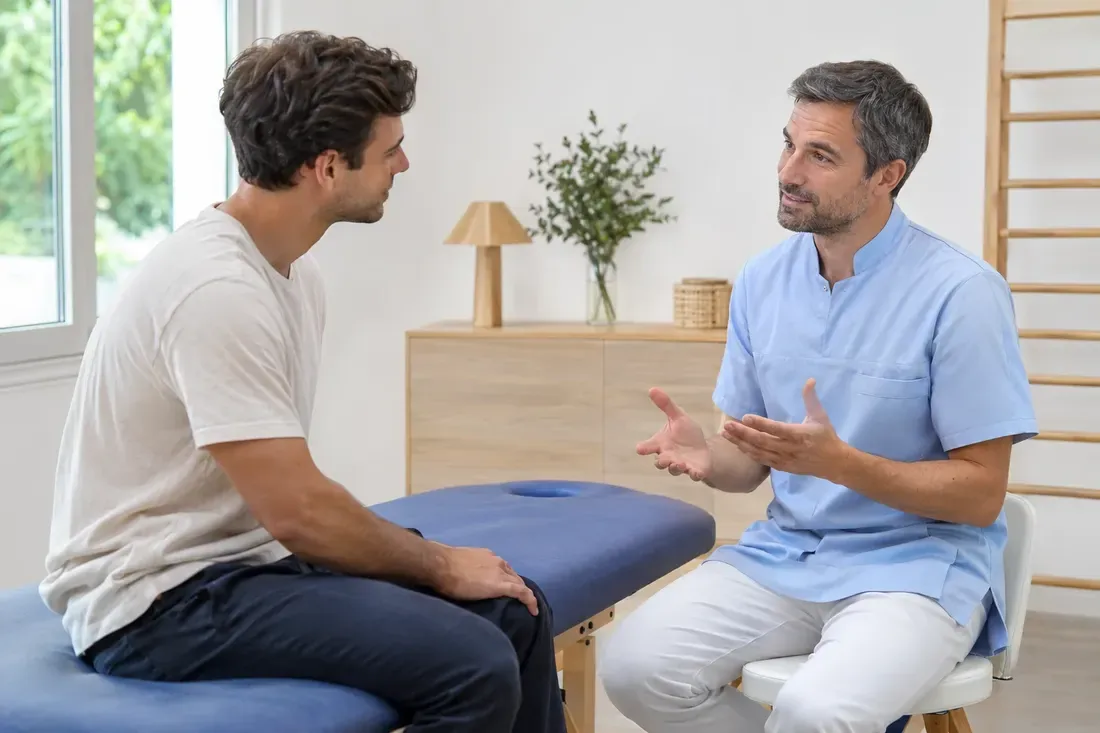
No, but some symptoms require a prior medical diagnosis or coordination with the physician and physiotherapist.
No. Joint noise is neither an objective nor a proof of effectiveness. Many techniques are slow and crackless.
Transient fatigue or sensitivity may occur. Significant, persistent or with a new symptom should be reported and evaluated.
We are interested in concrete objectives: pain, sleep, walking, amplitude or activity. The absence of evolution leads to a review of the hypothesis and direction.
Sources consulted on 4 November 2026.
A consultation explained, adapted and integrated into your care path.