Anatomy · Physiology · Research
The cranial approach in osteopathy: a closer look
Anatomical references, proposed mechanisms and analysis of scientific data.
On this page
Scientific deepening · Cranian
Adult skull anatomical markers
The skull combines bones, sutures, mandibles and vascular and nerve structures. The fabrics have mechanical properties, but this does not mean that the movements described in historical models are perceptible and can be interpreted reliably by hand. Real anatomy must be distinguished from the vocabulary of a school of thought.
From historical concept to assumptions
The Cranial approach has developed movement models and light contact techniques. Their transmission is part of the history of osteopathy. The seniority of a concept, its supposed finesse or experience in teaching is not an experimental validation. A proposed explanation to the patient should clearly indicate what is within a model and what is demonstrated.
Measurable physiology and palpatory interpretation
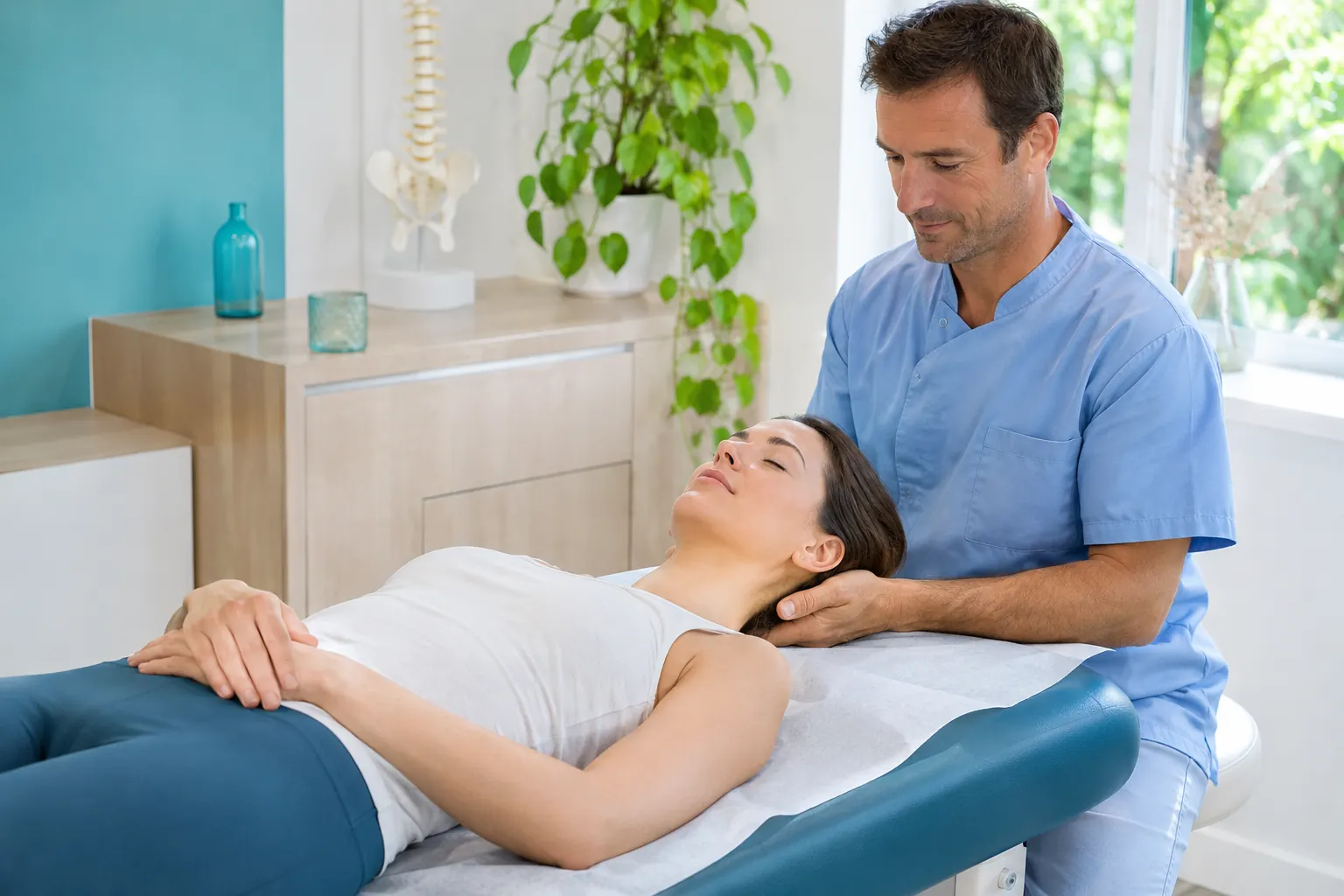
Vascular pulses and respiration influence observable physiological phenomena. Their existence does not demonstrate that the cranial rhythm described in palpation is a specific diagnostic signal. Concordance between reviewers, the ability to distinguish from clinical states and the link with patient benefit are different issues, which require each of the appropriate assessment methods.
Clinical summaries available
Systematic reviews of craniosacre therapy in 2024 did not show convincing clinical benefit for the indications studied. Some small trials have reported positive effects, but the risk of bias, imprecision and comparators limit their interpretation. Therefore, it is not justified to promise treatment of colic, migraine or other diseases on behalf of an established cranial mechanism.
Contact, relaxation and specific effect
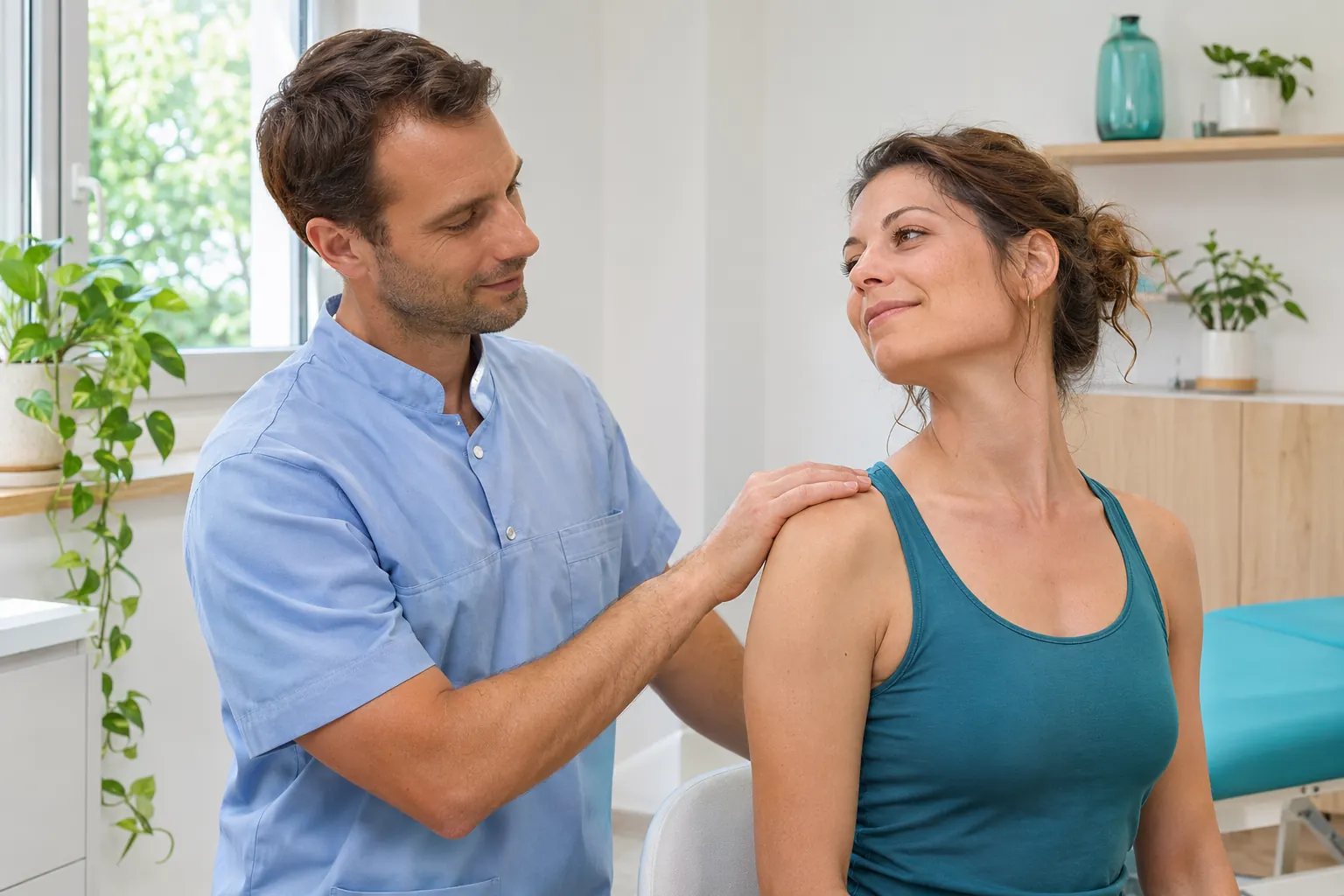
A person can enjoy gentle contact or feel relaxation. This experience counts for her, but it does not prove the correction of a head injury or the effectiveness on a disease. Expectations, time and context can contribute to the feeling. To evaluate a technique, one must look at the relevance and duration of the results, not just the printing immediately after the session.
Information and responsible practice
Teaching and practice must be able to expose the limits of knowledge. The choice of any contact should not delay a medical check-up or lead to interruption of treatment. Infants and obstetric conditions require special attention. Professional competence includes the ability to recognize uncertainty and orientate, rather than attributing any symptom to cranial tension.
What a comparative test should distinguish
A before-and-after study cannot on its own identify a specific treatment effect. Pain can fluctuate, expectations can influence responses, and rest may improve how a person feels. Comparing treatment with a credible sham intervention aims to match attention, duration and context. Blinding practitioners is difficult in manual therapy studies; this makes random allocation, independent assessment and prespecified outcomes particularly important.
Statistical outcome, usefulness and duration
A difference between groups must be examined with its uncertainty, magnitude and relevance to the individuals concerned. A positive result on a scale after a session shows neither anatomical correction nor lasting benefit. The 2024 syntheses cited below do not support general promises of treatment with craniosacré therapy. Their populations and techniques are heterogeneous; a study of a condition does not validate remote indications.
Two independent issues
The possibility of reproducible perception of a phenomenon and the effectiveness of an intervention are two different problems. The concordance between practitioners can be studied without proving that what is perceived corresponds to the proposed mechanism. Conversely, a patient may appreciate contact without confirming corrective mobility of sutures. The presentation of a cranial approach must therefore remain distinct from a medical diagnosis and demonstration of its historical model.
Bibliography and original documents
- Ceballos-Laita et al., 2024 · craniosacrée systematic review
- Review and meta-analysis of craniosacre techniques, 2024
Documentary review: November 5, 2026. Publications are interpreted according to their population, method and limitations.