The guidebook · Targeted guide
Teenagers: movement, recovery and growth
A guide to accompany sport and school days without turning posture variations into illness.
On this page

Listen to what the young man describes
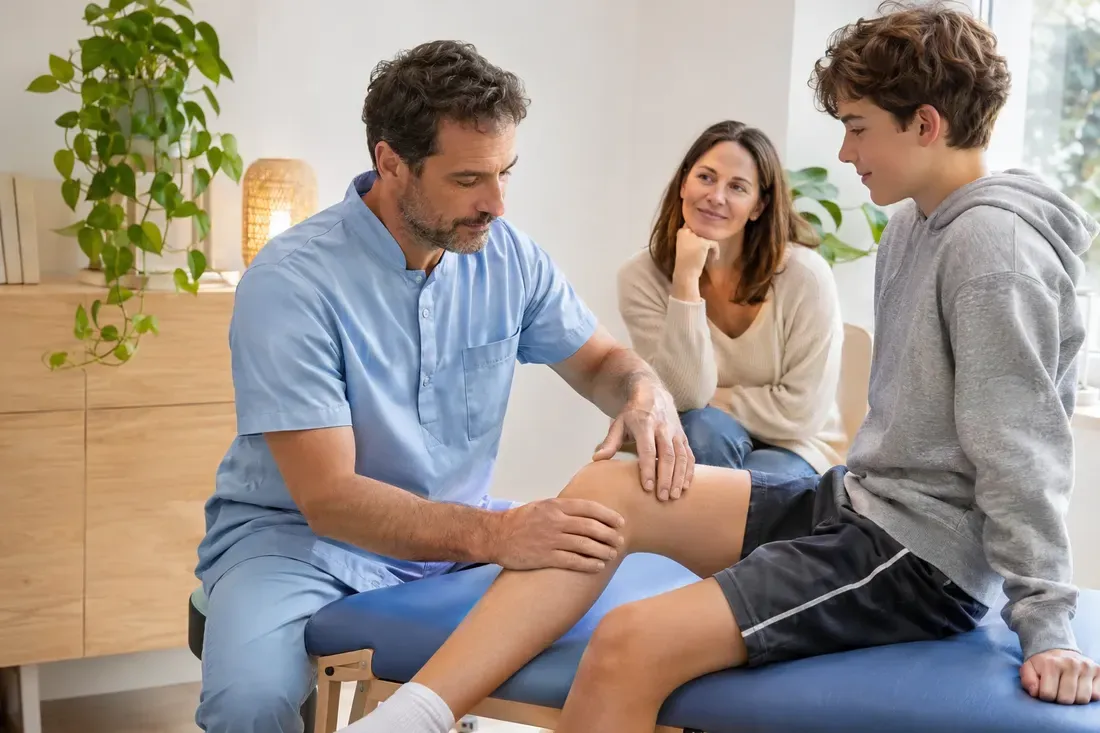
Ask what activity is embarrassed and how symptoms change. Growth, training and school constraints interact, but pain must not be automatically attributed to growth. A persistent discomfort deserves an examination.
Fever, persistent night pain, lameness, weight loss, weakness or pain after trauma require medical advice. Localized pain that returns to each session must also be taken seriously.
Putting variety in the week
Active travel, games, organized sport and leisure participate in the movement. Young people's preferences are important for regularity. Diversification prevents any activity from being experienced as a performance session or corrective exercise.
Public health goals are built according to the starting point and capabilities. In the event of illness or disability, activities can be adapted with professionals and school. Comparison between adolescents is rarely useful for measuring effort.
Monitor sports load
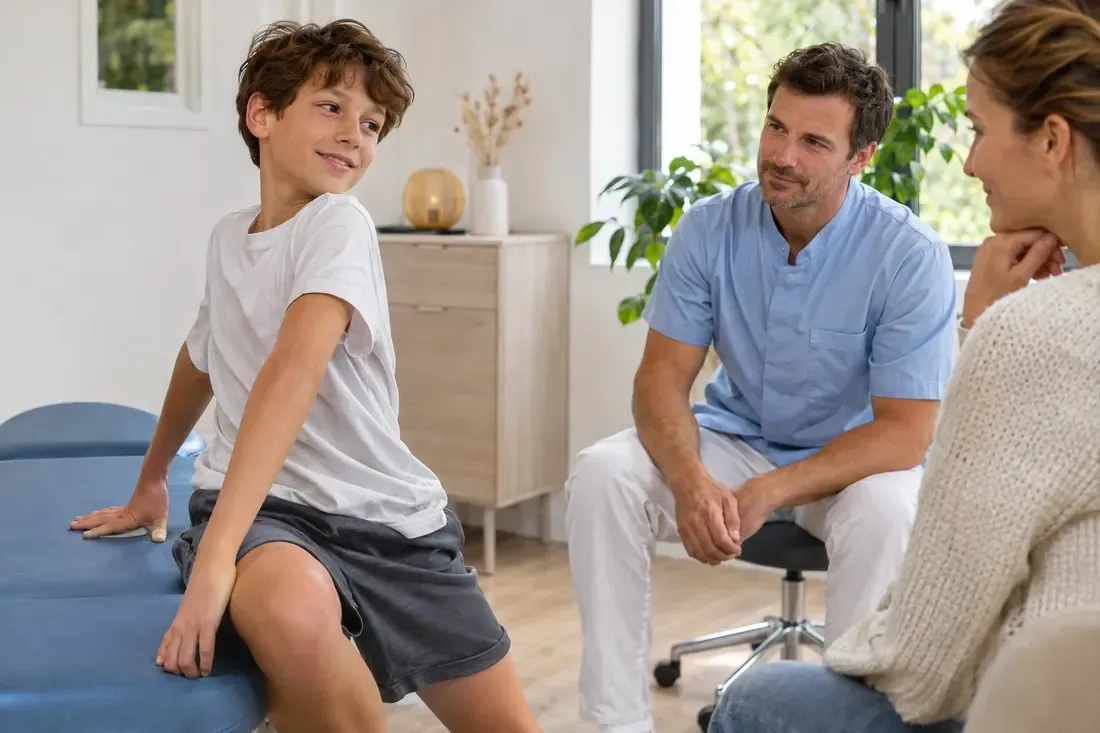
Consider all sessions, including school, club and individual training. A tournament or selection can dramatically increase the load. Discuss the pains with the coach in order to temporarily adapt certain constraints.
Recovery also depends on sleep and feeding. A sustained decrease in energy, repeated injuries, weight loss or disturbed rules should lead to consultation. Do not recommend dietary restrictions to improve performance without accompanying.
Screens, binders and school work
A comfortable post and regular seat breaks are more useful than a permanent injunction to stay straight. Adjust the screen to read effortlessly and distribute the objects in the bookcase. The equipment must correspond to the actual needs of the day.
Propose a concrete change rather than several simultaneous prohibitions. The teenager can participate in the choice of habit: walk during a transition, prepare the bag or organize a break. The constraints of sleep and concentration also deserve discussion.
Respect autonomy and seek help
The consultation must explain the actions and respect the consent of the young person, with the appropriate place of the parents. He can express his preferences and ask for a halt to an uncomfortable gesture. The functional objective is chosen with him.
The child-adolescent record presents the general benchmarks. This guide focuses on load, recovery and autonomy. Coordination with the sports doctor or physiotherapist is indicated when an injury requires specific management.

Sources and further reading
Documentary update: November 5, 2026. General information: The choice of care depends on your situation.