
The guidebook · Targeted guide
Preventing falls: addressing several factors
To secure the environment and maintain its capacities, in connection with the doctor and the professionals of balance.
On this page

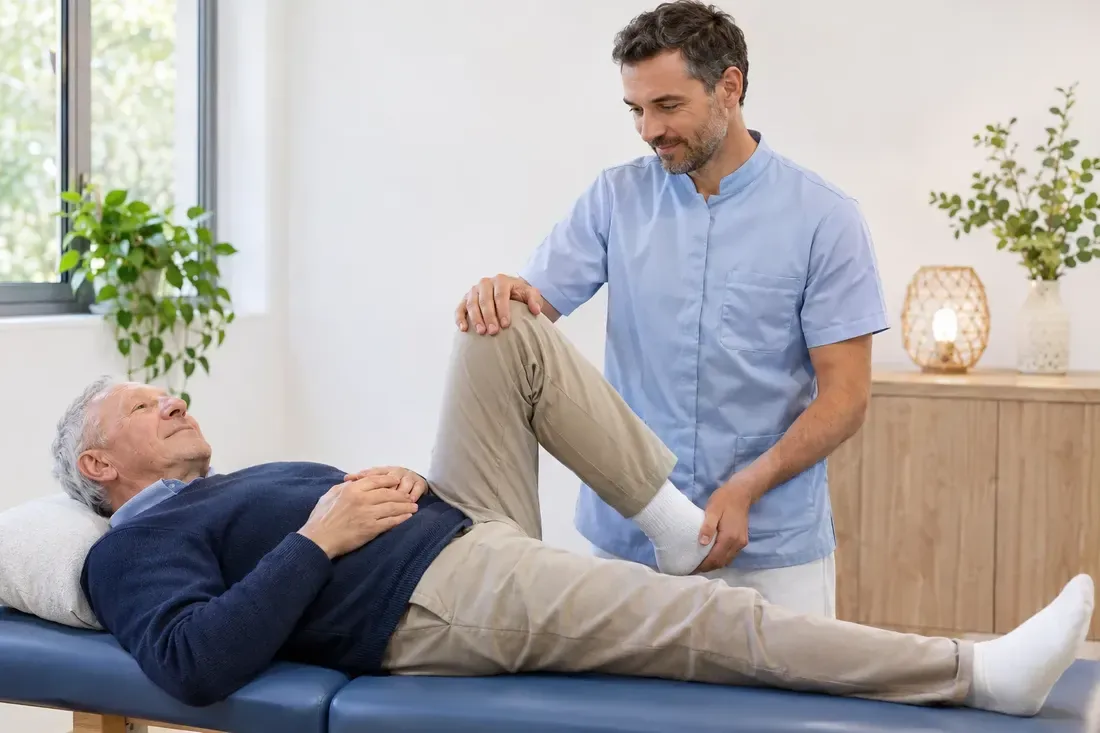
Talk about any fall
A fall can have several causes: obstacle, decrease in strength, visual problem, medication or malaise. Also report falls without injury and times when you caught up with each other. This helps to organize a useful evaluation before a new episode.
A loss of consciousness, a cranial shock under anticoagulant or an inability to recover requires urgent advice. Do not wait for an osteopathy consultation to have an injury or malaise assessed.
Touring the accommodation
Observe the most frequent journeys, especially at night. Clear passages, attach cables and improve lighting. Check the stability of carpets and access to everyday objects. An occupational therapist visit may allow for specific adaptations.
In the bathroom, solutions must be properly installed and adapted to the accommodation. A towel holder does not constitute a support bar. Avoid improvised supports and have the necessary equipment checked.
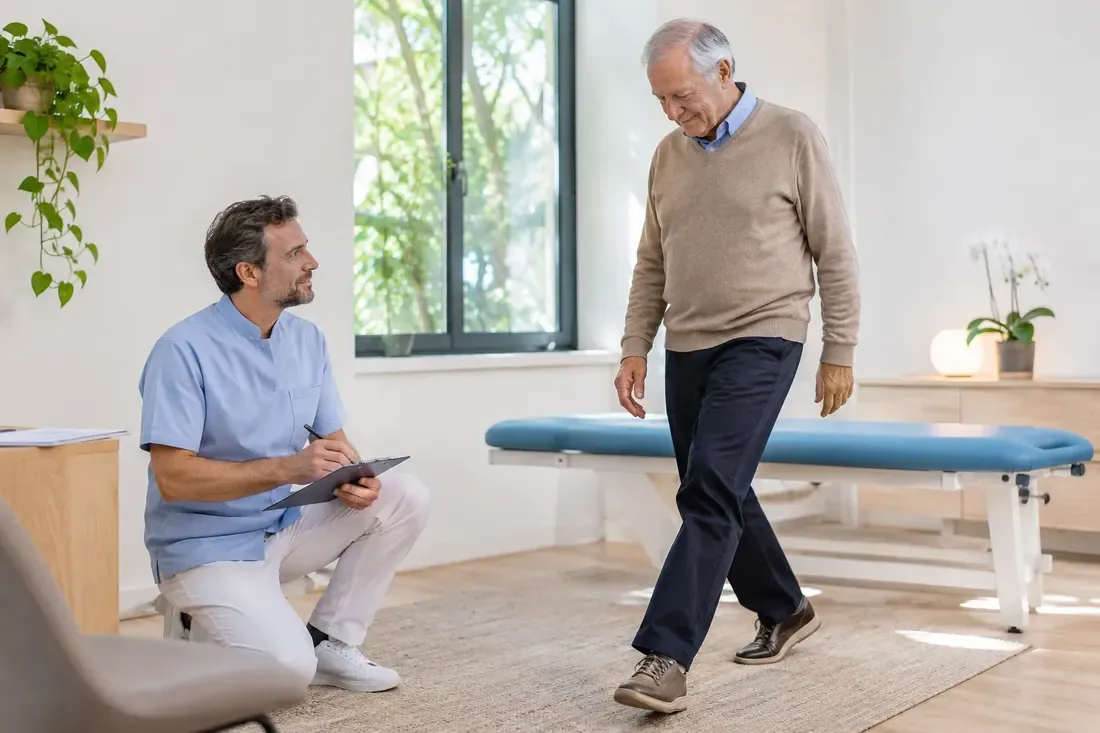
Training capabilities safely
Strengthening and balancing are important components of prevention. The program is chosen based on history, abilities and possible falls. Ask for an orientation to a physiotherapist or a suitable physical activity professional.
Don't try an unstable balancing exercise alone after a fall or if you're afraid of falling. Progress begins in a secure environment, with appropriate support and supervision. The difficulty must remain compatible with safety.
Vision, shoes and medicines
Have your vision checked if it changes and use the prescribed visual aids. Choose stable shoes adapted to your feet. A foot pain or difficulty in slipping also deserves to be addressed, as it can change walking.
Ask the doctor or pharmacist to review treatments that may cause drowsiness or dizziness. Never stop a drug alone to reduce the risk of falling. Feelings when up or after a change of treatment are useful information.
Provide help without giving up leaving
Keep a way to call accessible help and discuss a plan with a loved one. After a fall, a consultation can also deal with the fear of falling back. A lasting reduction in exits can reduce capacity; a accompanied recovery allows confidence to be regained gradually.
Manual care did not demonstrate that it was sufficient to prevent falls. Priority is an approach combining risk assessment, physical capacity and environment. The senior file develops daily activities and autonomy.

Sources and further reading
Documentary update: November 5, 2026. General information: The choice of care depends on your situation.